Creating spaces that improve mental well-being
Our surroundings have a bigger impact on our well-being than we often realise. A thoughtfully designed home can help you feel calmer, more focused and more at ease every day, not through grand gestures, but through a series of small, deliberate choices about light, air, clutter and colour.
Key takeaways
- Your home environment affects mood, focus and calm more than most people realise.
- Natural light, good ventilation and less clutter are the biggest levers for a calmer home.
- Soothing colours, comfortable furniture and a little greenery support daily well-being.
- Dedicated spaces for rest or work bring balance to your routine.
Why your surroundings matter
We spend most of our lives indoors, and the spaces we live in quietly shape how we feel. A cluttered, dark or airless room adds a low background stress you may not even register; a calm, bright, well-organised one does the opposite. Design isn't only about how a home looks; it's about how it makes you feel every day.
A thoughtfully designed home can genuinely help you feel calmer, more focused and more at ease. The good news is that this doesn't require a dramatic renovation; it's mostly about getting a handful of fundamentals right.
Small design choices, big difference
The biggest levers are simple ones: maximising natural light, improving ventilation, and reducing clutter with enough well-planned storage. Light and air alone transform how a room feels, while clutter is one of the most common, and most fixable, sources of everyday stress at home.
From there, soothing colours and comfortable furniture do a lot of quiet work. Adding greenery, and creating dedicated spaces for relaxation or focused work, brings a sense of balance and separation to your daily routine, so rest feels like rest and work feels contained.
Design that supports how you live
A home should be more than just visually appealing; it should support the way you live and how you feel. When your space is organised, functional and filled with elements you enjoy, everyday life becomes a little more peaceful, and that's a return that lasts far longer than any trend.
Good design isn't just about creating beautiful interiors; it's about creating environments where you can truly feel comfortable, relaxed and at home. That balance of feeling and function is the heart of designing around your lifestyle rather than around a look.
Frequently asked questions
Yes. Light, air, clutter, colour and layout all influence mood, focus and stress. A brighter, calmer, better-organised home genuinely feels easier to live in, and small, deliberate design choices make a measurable difference to daily well-being.
Maximise natural light, improve ventilation, and cut clutter with proper storage. Those three have the biggest impact. Then add soothing colours, comfortable furniture and a little greenery.
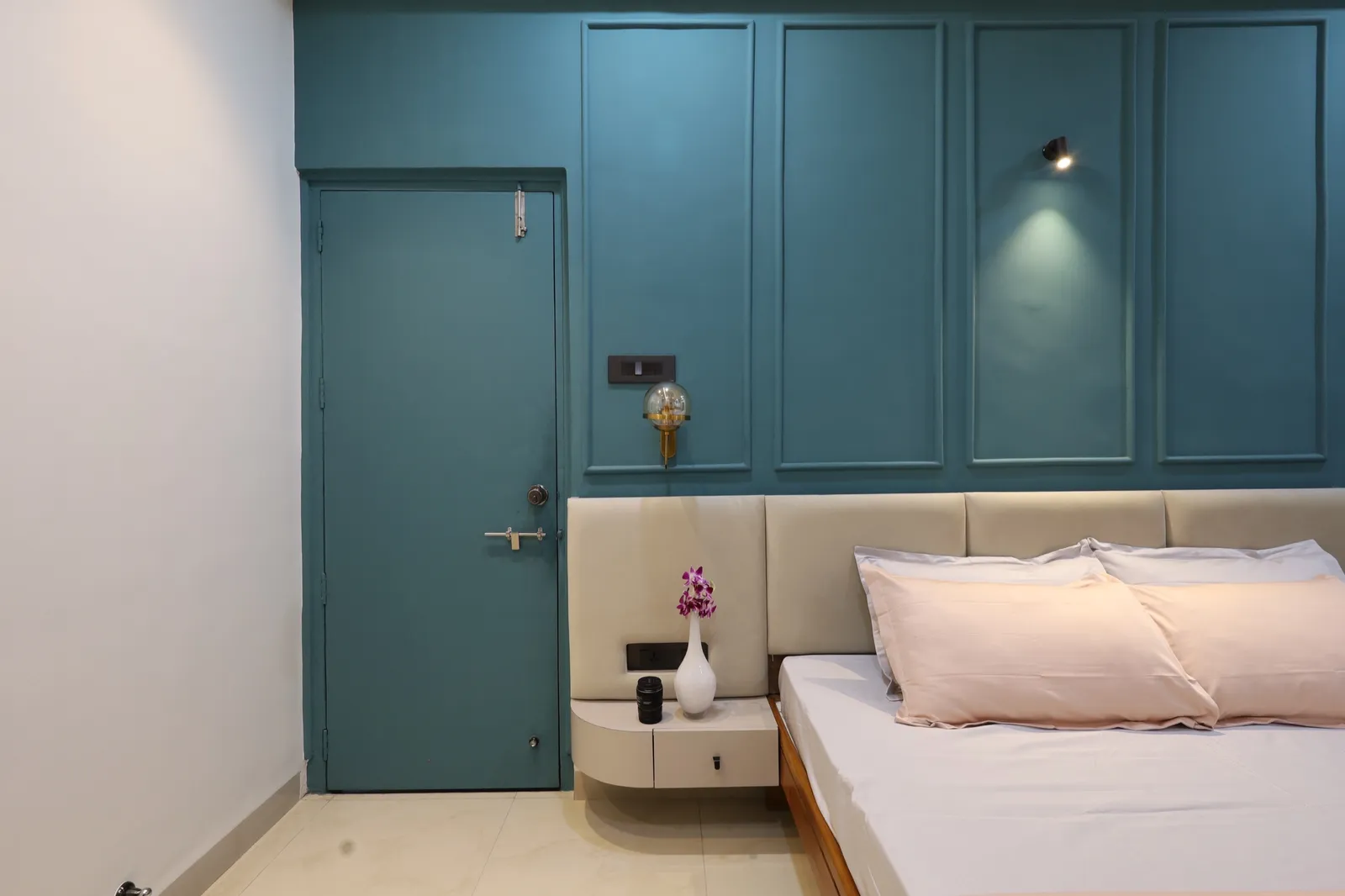
They do. Soft, muted and warm tones tend to read as calm and make spaces feel more restful, while a consistent palette across a room reduces visual noise and helps it feel more peaceful.