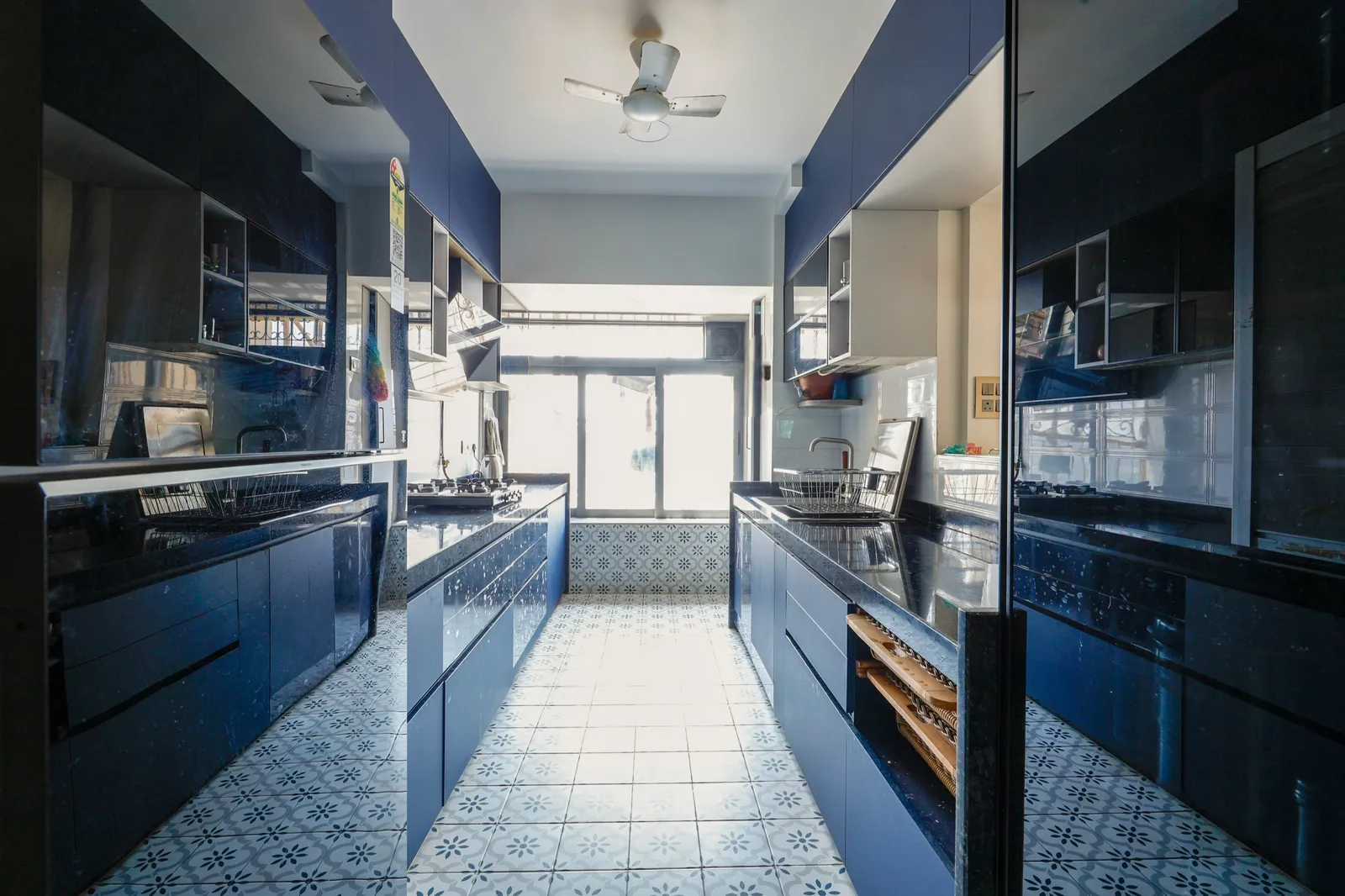
Marble, granite, or tiles? Pros and cons for Indian homes

Choosing the right flooring or surface material can feel overwhelming, but each option has its own strengths. There isn't a single 'best', only the one that's best for your home, your budget and the way you live. Here's how marble, granite and tiles compare on the things that actually matter.
Key takeaways
- Marble: timeless, luxurious looks, but softer, and needs regular care to avoid stains and scratches.
- Granite: extremely durable and heat-resistant, ideal for kitchens and high-traffic areas, with a more limited palette.
- Tiles: the widest variety, easy to maintain and cost-effective, a practical all-rounder for modern homes.
- The best choice balances aesthetics, durability, maintenance and budget for the specific room.
Marble: timeless elegance
Marble is prized for its timeless elegance and natural beauty; no two slabs are alike, and it lends a genuine sense of luxury to living rooms, foyers and feature surfaces. It's the material people picture when they imagine a premium home.
The trade-off is care. Marble is relatively soft and porous, so it can stain from spills and scratch more easily than harder stones. It suits spaces you want to feel special and are willing to maintain, less so a hard-working kitchen counter that sees oil, acids and heavy daily use.
Granite: durable and hard-wearing
Granite is highly durable and resistant to heat, scratches and everyday wear, which makes it an excellent choice for kitchens and other high-traffic areas. It handles the realities of Indian cooking (heat, spills, constant use) better than most natural stones.
Its patterns and colours are generally more limited and more speckled than marble's, so it reads as sturdy rather than ornate. For many families that's exactly the point: a surface that looks good and simply keeps working.
Tiles: variety and value
Tiles offer the greatest variety of any option: an enormous range of colours, textures, sizes and finishes, including large-format and stone- or wood-look tiles. They're easy to maintain, cost-effective, and suitable for almost every room, which makes them the practical all-rounder for modern homes.
Quality varies widely, so the grade you choose matters, but at almost any budget there's a tile that delivers the look you want with far less upkeep than natural stone.
So which should you choose?
There isn't a single 'best' material, only the one that's best for your home. Marble for a touch of luxury you'll look after; granite where durability is non-negotiable; tiles where variety, value and easy maintenance win.
By balancing aesthetics, durability, maintenance and budget, you can choose a finish that looks beautiful and performs well for years to come. It's the same approach we take across every project, more on that in how we choose materials for every interior project.
Frequently asked questions
Granite is usually the best choice for kitchen countertops thanks to its heat and scratch resistance. Marble looks more luxurious but stains and scratches more easily, and tiles work well for kitchen flooring and backsplashes where maintenance and variety matter.
Relatively, yes. Marble is softer and more porous, so it can stain and scratch and benefits from sealing and prompt cleaning of spills. It's best for spaces you want to feel special and are willing to care for, rather than hard-working surfaces.
Generally yes, tiles are the most cost-effective and offer the widest range of looks, including stone- and wood-look finishes. Quality varies, so the grade you choose affects both price and durability.